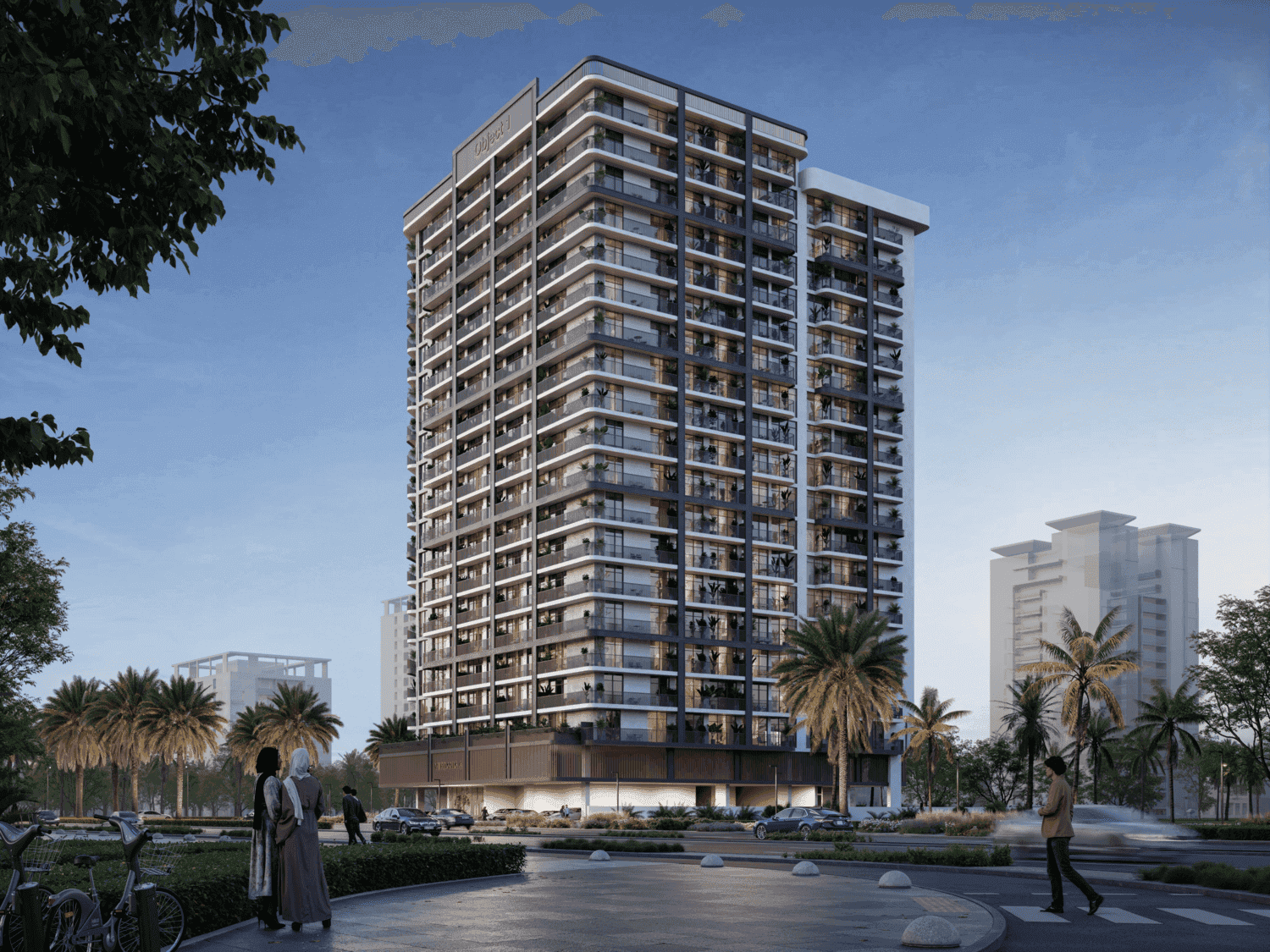
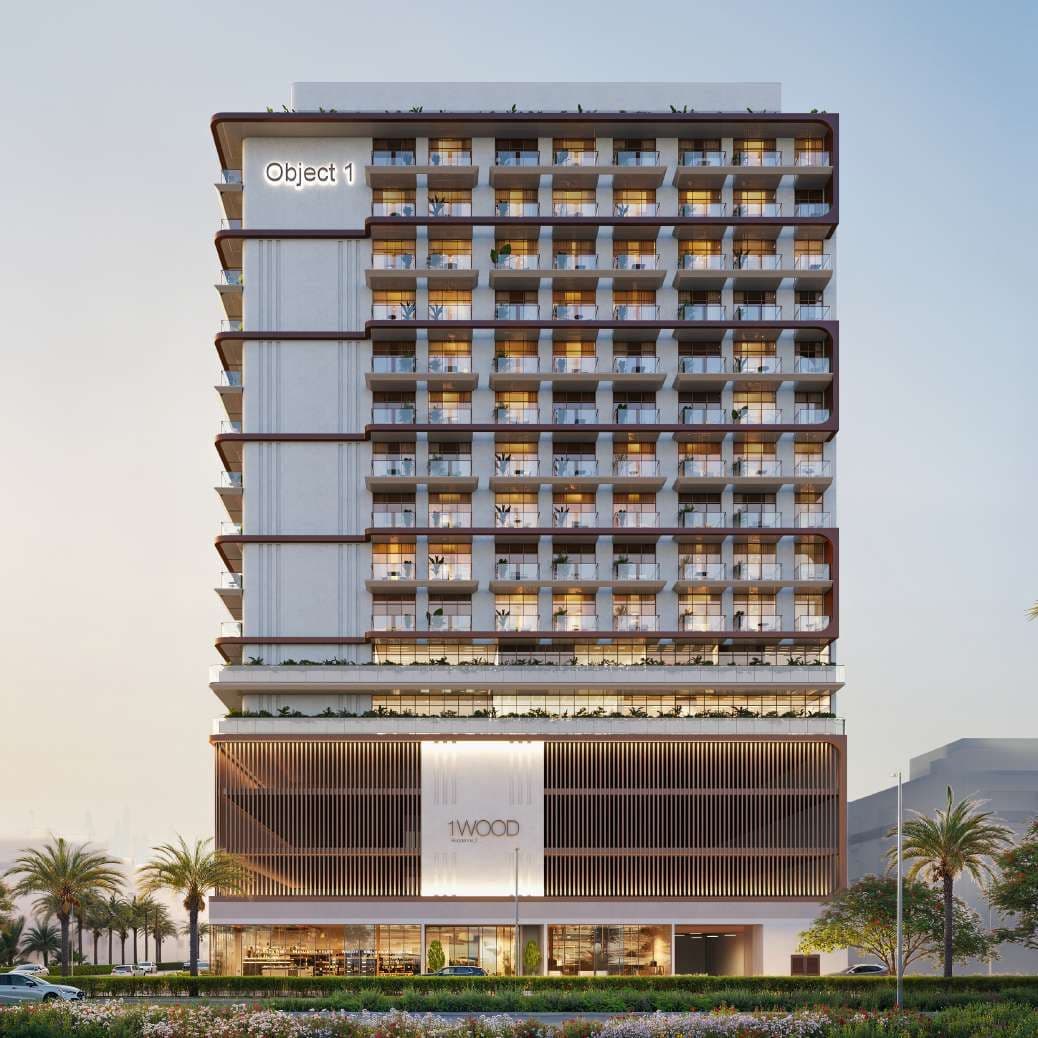
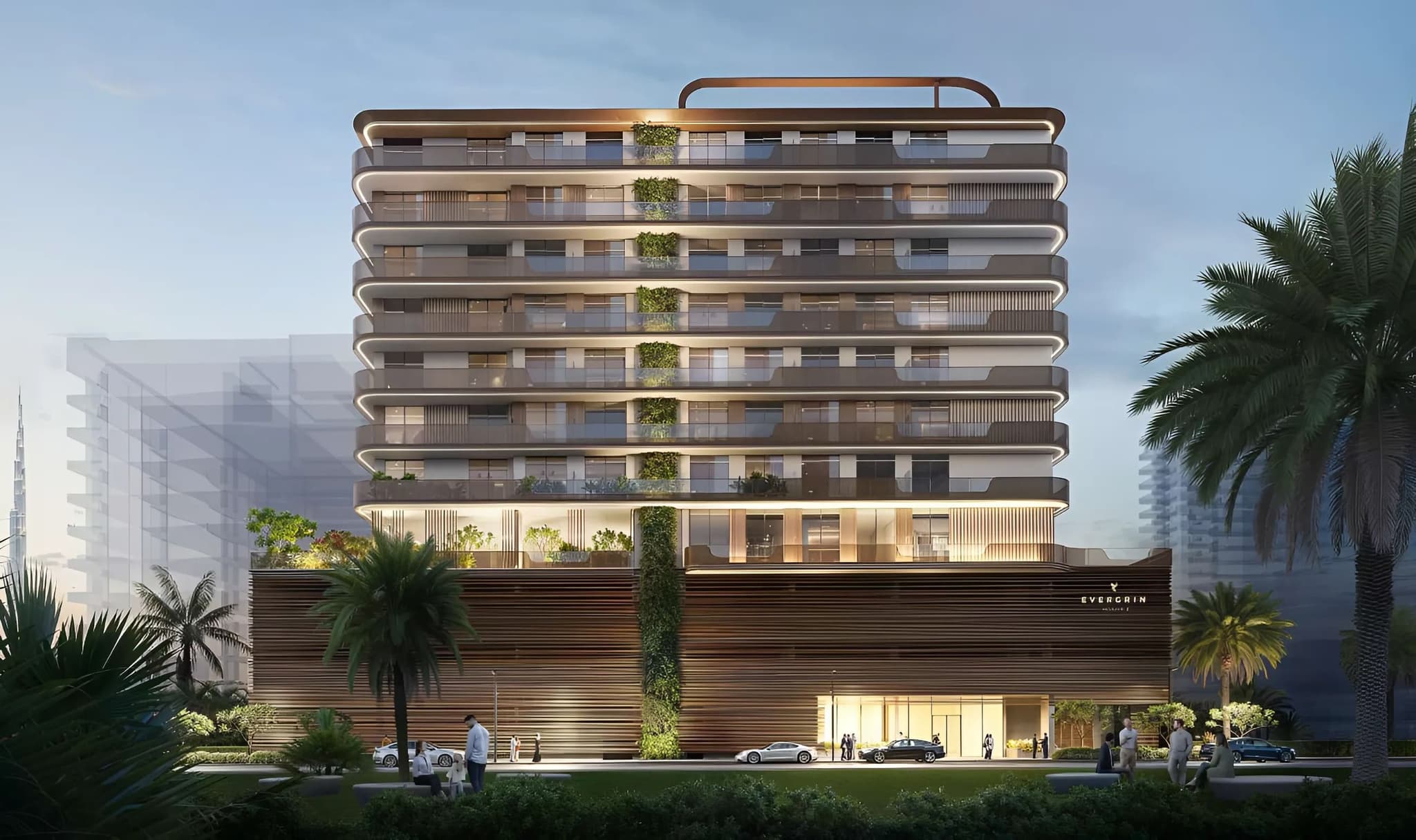
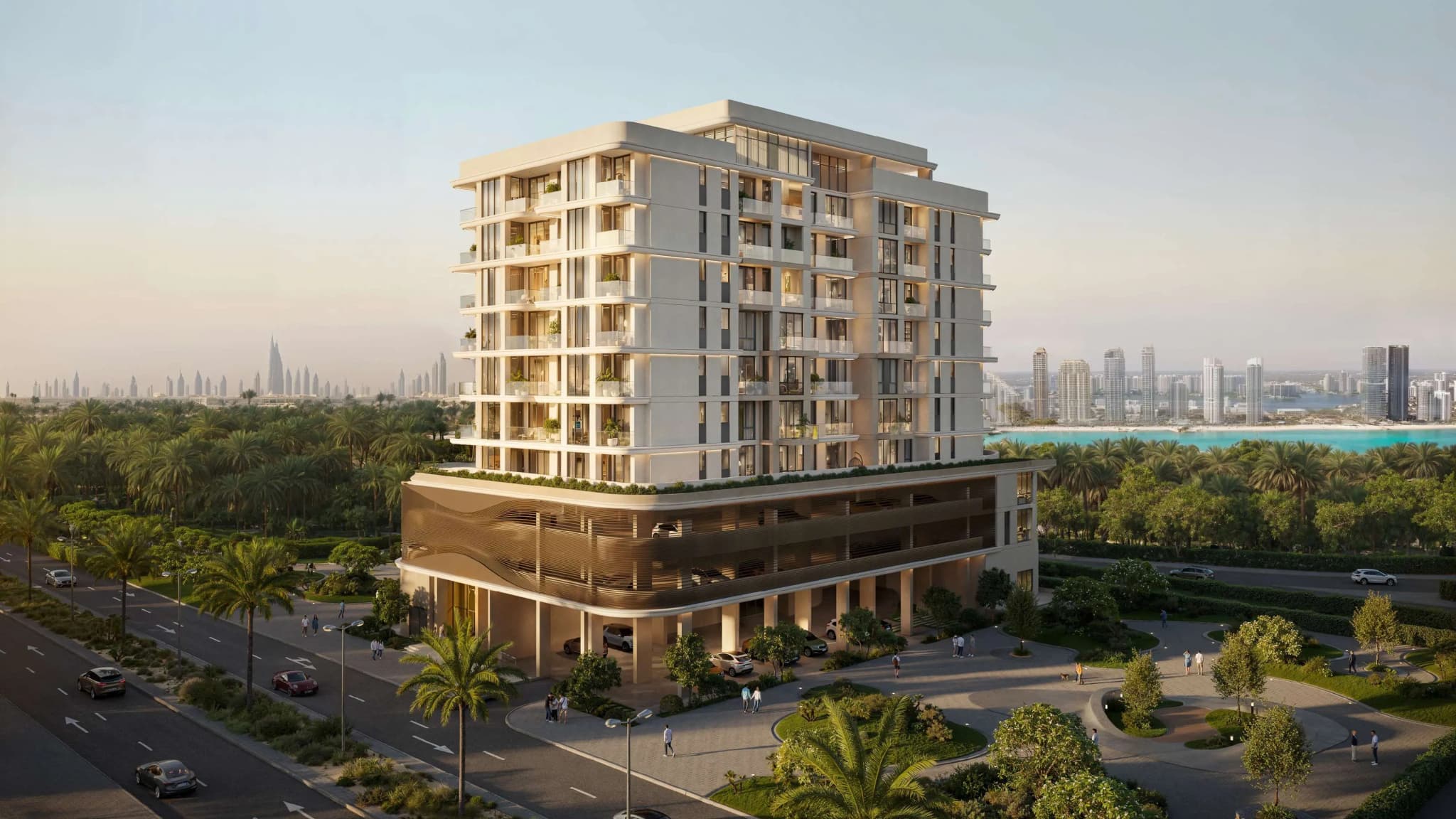
Thinking about buying a home or an investment in Dubai? This comprehensive guide to freehold property ownership in Dubai walks you through what freehold really means, who can buy, where to look, how to purchase both ready and off‑plan units, the fees you’ll actually pay, visa benefits, mortgage options, and the safeguards that keep your interests protected.
Freehold vs leasehold: what “freehold” really means
- Freehold: You own the property outright and a proportional share of the underlying land with no time limit. You can sell, lease, gift, or bequeath the asset freely, and your name appears on a Dubai Land Department (DLD) title deed.
- Leasehold: You buy the right to use a property for a fixed term (often up to 99 years). When the term ends, rights revert to the freeholder unless renewed.
For most international buyers, freehold in designated areas is the preferred route because it provides perpetual ownership and clearer exit flexibility.
Who can buy freehold property in Dubai?
- Foreign nationals and non‑UAE residents can purchase in designated freehold zones.
- You can buy as an individual or via a company (subject to permitted structures and area rules).
- Every transfer must be registered with the DLD to issue a title deed.
Legal framework, regulators, and title registration
Dubai’s freehold system is grounded in clear laws and a robust land registry.
Dubai Land Department (DLD) and the title deed
- DLD administers land registration, issues title deeds, and oversees transfer at Registration Trustee offices.
- Law No. 7 of 2006 (Real Property Registration) underpins how rights are recorded and protected.
RERA and escrow protections for off‑plan
- RERA (the regulatory arm of DLD) licenses brokers, regulates developers, service charges, and marketing practices.
- Escrow accounts hold buyer payments for off‑plan projects; funds are released to developers only when certified construction milestones are met.
- Developers must comply with Dubai’s building codes and approved specifications before handover.
Key laws and policies to know
- Freehold ownership for non‑UAE nationals in designated zones has been permitted since 2002.
- Always confirm the latest circulars and administrative rules with DLD/RERA before committing.
Types of freehold property you can own
- Residential: Studios, apartments, townhouses, and villas across urban cores, golf communities, and waterfront districts.
- Commercial: Freehold offices, retail units, and entire buildings in mixed‑use and business hubs (for example, Business Bay).
- Ready vs off‑plan: Ready units are completed and rentable immediately; off‑plan properties are purchased during construction with staged payments.
Where to buy: popular freehold areas and lifestyles
Dubai offers more than 50 designated freehold communities. Shortlist by commute, schools, amenities, waterfront/golf preferences, and rental demand.
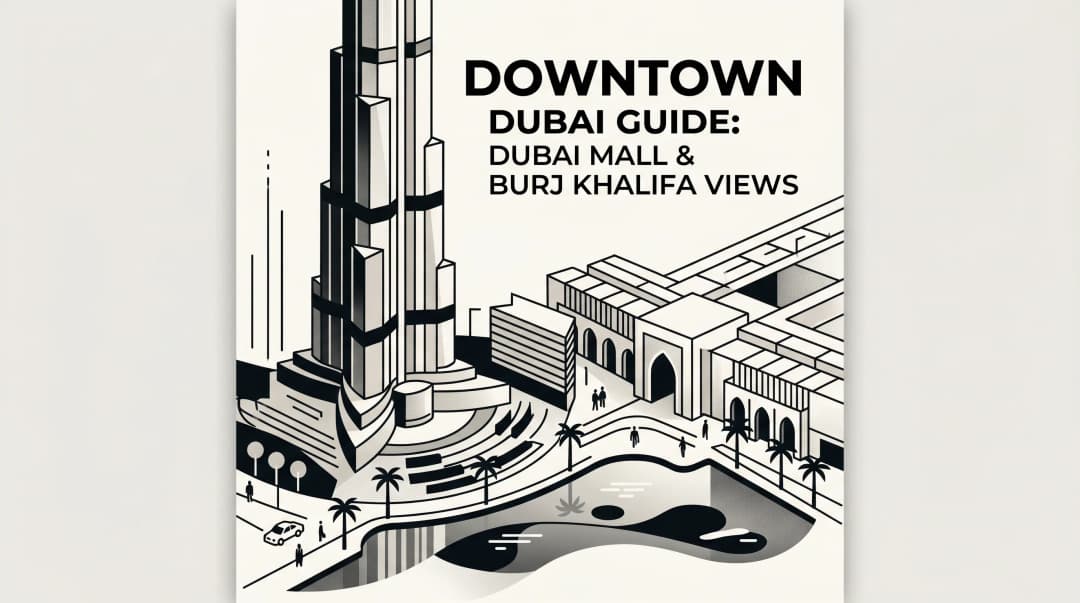
- Downtown Dubai: Iconic city‑center living near Burj Khalifa and Dubai Mall; luxury towers and strong liquidity. Indicative asks (2025 developer guidance): studios ~AED 1.38m; 2‑beds ~AED 3m.
- Dubai Marina: High‑rise waterfront with promenades and beach access; studios ~AED 1m; 2‑beds ~AED 2.5m.
- Business Bay: Mixed residential/commercial near Downtown; popular with professionals and investors targeting steady rental demand.
- Dubai Hills Estate: Green, golf‑oriented master plan with apartments and villas; 3‑bed apartments ~AED 3.5m; 4‑bed villas ~AED 8m.
- Arabian Ranches I–III: Family villa communities with schools and parks; ~AED 4.2m–7.6m for 3–4 beds.
- Emirates Hills: Ultra‑luxury, golf‑front villas; trophy assets frequently trading AED 50m–85m+.
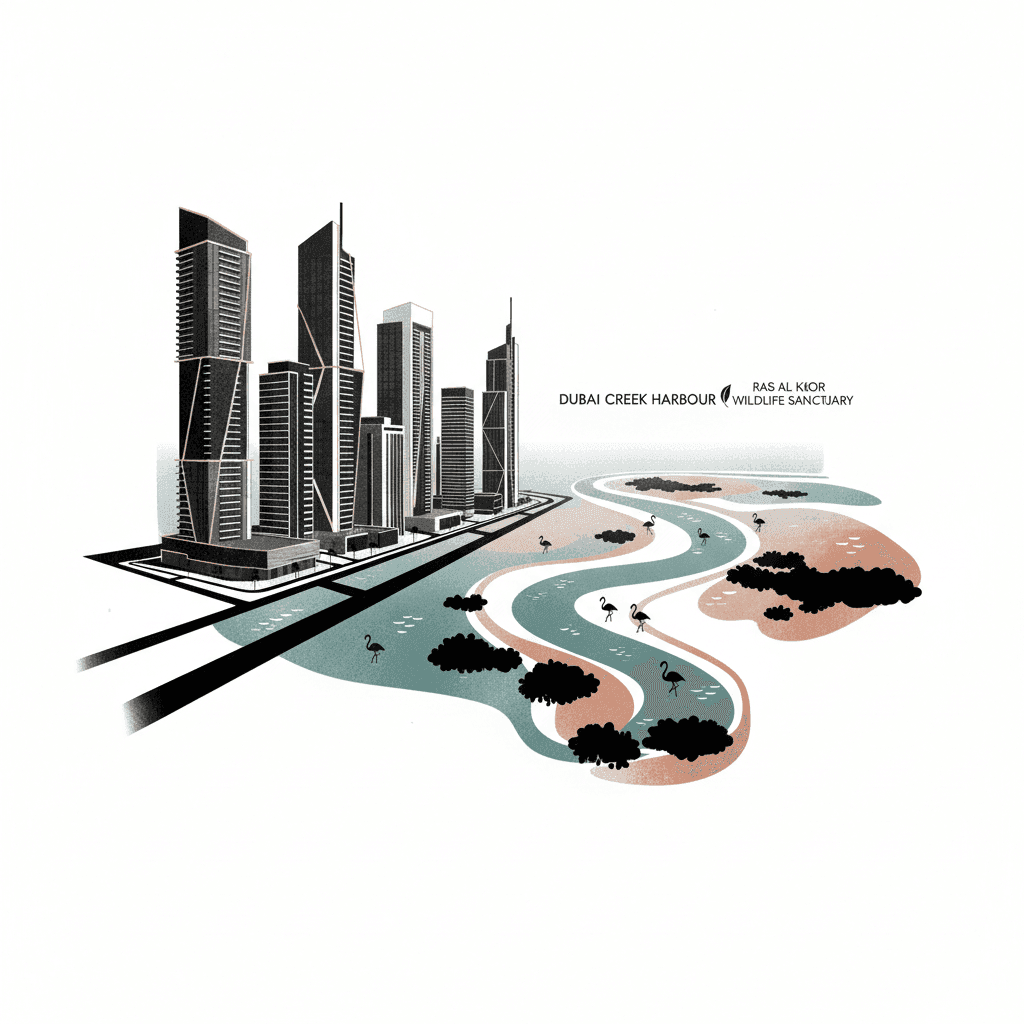
- Dubai Creek Harbour: Waterfront skyline views, evolving lifestyle district with strong long‑term appeal.
- Emaar Beachfront and Rashid Yachts & Marina: Marina and beachfront living aimed at short‑ and long‑stay demand.
- Sobha Hartland (and Hartland 2): Master‑planned, green‑centric living near business corridors.
- Dubai South and The Valley: Emerging value plays tied to infrastructure and population growth.
Note: Prices are indicative and fluctuate by tower, view, finish, floor, and market conditions. Verify current pricing and recent comparable sales before you bid.
Step‑by‑step: how to buy freehold property in Dubai
Buying a ready (secondary market) property
- Plan your budget: Include price, fees, furnishings, and contingencies. If financing, obtain mortgage pre‑approval.
- Work with regulated professionals: Appoint a RERA‑licensed agent; consider a conveyancer/lawyer.
- Select and verify: Inspect in person; compare layouts, views, and service charges. Verify the title deed, seller identity, and any liens/encumbrances with DLD.
- Agree terms and sign MOU: Execute the Memorandum of Understanding (Form F) and typically place a 10% deposit (terms vary).
- Developer NOC and transfer: Seller clears dues; obtain the No‑Objection Certificate. Complete transfer at a DLD Registration Trustee office, pay the DLD 4% fee and other charges, and receive your title deed.
Buying off‑plan from a developer
- Research: Check the developer’s delivery record, RERA project number, escrow details, master plan, amenities, and timeline. Visit show units.
- Reserve and sign: Pay the reservation and sign the Sales & Purchase Agreement (SPA) covering price, milestones, handover, and warranties/defect liability.
- Pay via escrow: Make milestone payments into the RERA‑approved escrow account once construction stages are certified.
- Registration and handover: Off‑plan sales are recorded as Oqood. At completion, snag the unit, settle final amounts and handover fees, and obtain your title deed after the project is registered.
What it really costs: fees and charges to budget
Beyond the purchase price, plan for these common line items:
| Cost item | What to know |
|---|
| DLD transfer fee | Typically 4% of purchase price (usually paid by the buyer). |
| DLD admin/title fees | Fixed administrative and title issuance charges. |
| Registration Trustee fee | Fixed fee charged at the Trustee office during transfer. |
| Agency commission | Often ~2% + VAT on secondary transactions; confirm in the MOU. |
| Developer NOC | Payable in resale deals; varies by developer. |
| Mortgage costs (if any) | Valuation, processing, and mortgage registration (commonly 0.25% of loan amount + admin). |
| Off‑plan registration | Oqood/registration and admin fees in addition to the 4% DLD fee. |
| Service charges | Annual owners’ association/community fees per sq ft; vary widely by community/spec. |
| Utilities and move‑in | Deposits and connection fees (e.g., DEWA/cooling), move‑in permits, OA orientation/fees. |
Tip: Request an up‑to‑date cost sheet from your agent/developer and validate with DLD/Trustee before transfer.
Mortgages and financing for non‑residents
- UAE and international banks lend to expats and non‑residents; down payment requirements and rates vary by profile and asset.
- Get pre‑approval early to strengthen offers and align payment timelines.
- Clarify foreign income treatment, currency exposure, insurance requirements, and early settlement rules.
Residency and visa benefits linked to property
- Property ownership can support UAE residency. Investors with qualifying property of around AED 2 million+ commonly pursue the 10‑year Golden Visa (criteria and treatment of mortgaged units can change).
- Other investor visas exist; always confirm current eligibility with DLD, GDRFA, or a licensed immigration adviser before buying primarily for residency.
Due diligence, compliance, and dispute resolution
- Work only with RERA‑licensed brokers; verify brokerage and agent IDs.
- Check the title deed and ensure no encumbrances are recorded at DLD.
- Review service charge statements and obtain developer NOC in secondary sales.
- For off‑plan, scrutinize the SPA: delivery dates, construction‑linked payments, delay penalties, variation clauses, and defect liability.
- Understand community/OA rules (fit‑out permissions, pet policies, short‑term rental rules, façade/balcony use) before you commit.
- In disputes, Dubai provides paths for mediation, arbitration, or court action—engage a property lawyer early.
Investment lens: yields, demand drivers, and exit readiness
- Demand drivers: population growth, new infrastructure, business formation, and tourism underpin rental absorption and price resilience in prime master plans.
- Rental strategy: Model net yields after service charges, leasing/management fees, vacancy, maintenance, and utilities. Waterfront or city‑core assets often trade higher liquidity and capital growth for slightly lower yields.
- Exit preparedness: Prioritize high‑demand communities, efficient layouts, quality views, and meticulous documentation to streamline resale.
Practical tips for first‑time buyers
- Tour the property in person; use virtual tours as a filter, not a final decision.
- Build a full cost spreadsheet and double‑check every fee and timeline.
- Ask for service charges per sq ft and what’s included (facilities, cooling, reserves).
- For off‑plan, monitor progress, keep all escrow receipts, and diarize milestones.
- Keep your mortgage pre‑approval valid through transfer/handover dates.
Common mistakes to avoid
- Underestimating total costs (DLD 4%, NOC, agency and mortgage registration, utilities).
- Skipping title checks and encumbrance verification at DLD.
- Choosing on marketing alone without testing community livability and resale demand.
- Relying on optimistic ROI without validating achievable rents and realistic occupancy.
- Paying off‑plan installments outside the RERA escrow account.
Frequently asked questions
Can foreigners buy freehold in Dubai? Yes—non‑UAE nationals can own in designated freehold areas.
Is there annual property tax? Dubai does not levy an annual property tax. Expect the DLD transfer fee (4%) on purchase, registration/admin fees, and ongoing service charges.
How do I prove ownership? Your DLD title deed is the definitive proof of ownership.
Are off‑plan payments protected? Yes—payments go into RERA‑approved escrow accounts, released to developers against certified milestones.
Can I get a visa through property? Property can support residency applications; many investors with AED 2m+ property seek the Golden Visa. Confirm the latest criteria before relying on this benefit.
Bottom line
Dubai’s freehold framework combines clear laws, transparent DLD registration, and escrow safeguards for off‑plan buyers. If you shortlist strong locations, verify documents, budget for the full cost of ownership, and follow the regulated purchase steps, you’ll set yourself up for a smoother acquisition and resilient long‑term value. Before you sign, seek independent legal and financial advice, review current market data, and make sure the asset fits your lifestyle or investment strategy.